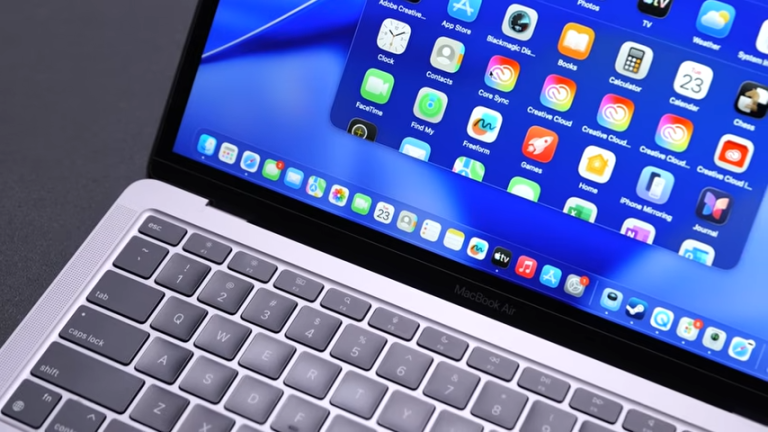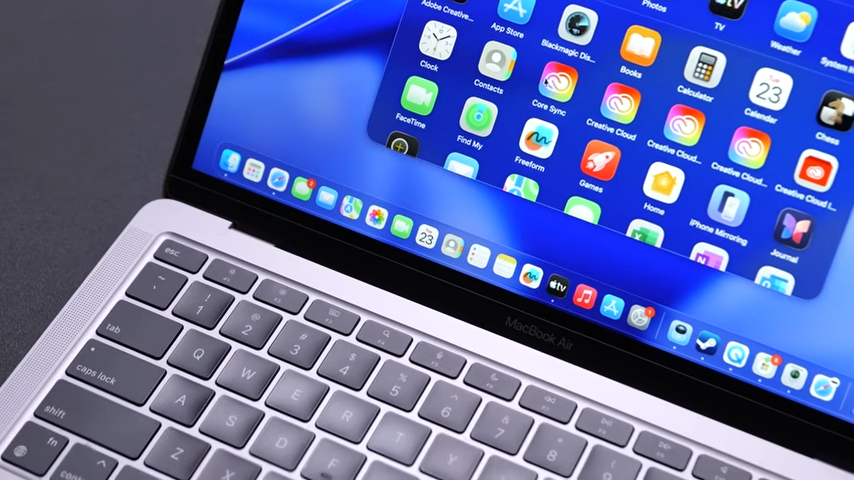
In the fast-paced world of technology, a five-year-old laptop is often considered a relic. However, as we cross into 2026, a peculiar trend has emerged in the Indonesian tech market: the resurgence of the MacBook Air M1 as a budget-friendly contender. Priced at approximately Rp5.5 million (around $350 USD) for used units, this machine is challenging the dominance of brand-new entry-level Windows laptops. But can a revolutionary chip from late 2020 truly hold its own against 2026 standards? Let’s dive deep into the performance, limitations, and ecosystem value of this iconic device.
The “Business-to-Business” Secret
When scouting for a MacBook Air M1 at the Rp5 million price point, many users are surprised to find units with only 128GB of storage. Interestingly, Apple never officially sold a consumer-grade M1 MacBook with less than 256GB. These 128GB units are typically “B2B” (Business-to-Business) variants. These were bulk-ordered by corporations for office work and have now flooded the secondhand market. While they offer a cheaper entry point, the limited storage becomes the first major hurdle for potential buyers in 2026.
Performance: M1 vs. Modern Budget Windows
The real magic of the M1 chip lies in its architecture. To see if it still holds up, it must be compared to what Rp5.5 million buys you in the “new” market today. Most new laptops at this price feature Intel Core i3 (12th or 13th Gen) or Ryzen 3 processors from brands like MSI, Lenovo, or local players like Advan and Axio.
In performance benchmarks, the M1 continues to punch far above its weight class. For video editing—a common task for modern creators—the M1 is surprisingly dominant. In a 4K Premiere Pro rendering test, the MacBook M1 finished in just under 4 minutes. In contrast, a modern Windows laptop with an Intel Core i5-12450H (a much higher-wattage chip) took over 13 minutes to complete the same task.
This discrepancy is due to Apple’s dedicated media engine, which provides hardware acceleration for video encoding that general-purpose budget chips simply lack. If your primary goal is video editing or creative work, the M1 architecture remains a “killer” feature even years after its debut.
The Storage and RAM Struggle
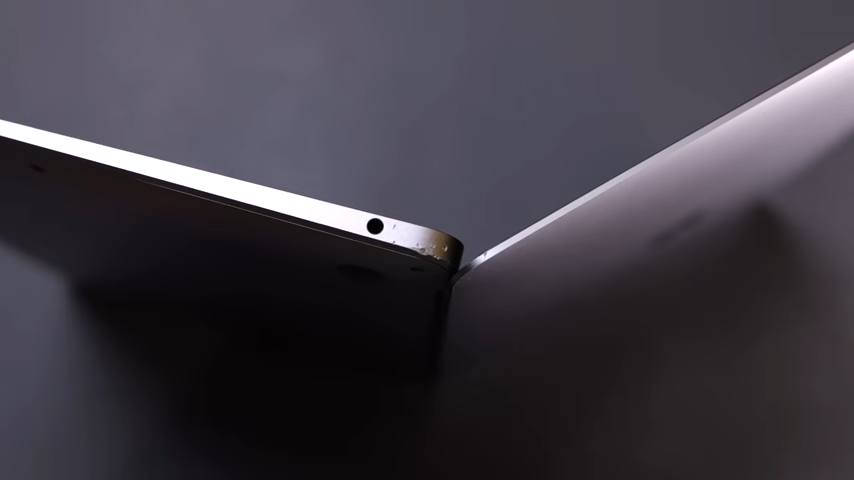
While the processor is a beast, the supporting hardware shows its age. In 2026, 8GB of RAM and 128GB of storage are the bare minimum. The 128GB model is particularly restrictive; after the macOS system files, users are left with very limited usable space.
For gamers, this is a dealbreaker. Popular titles like Dota 2 require significant space, making them impossible to install on the internal drive without deleting almost everything else. Even for office users, software updates and cache files can fill up 128GB within months. The common solution is using an external SSD, which adds to the total cost but offers much-needed breathing room.
Multitasking is another area where the MacBook M1 can stumble compared to a used Windows “Workstation” laptop. For example, a used Dell Latitude with 32GB of RAM can handle dozens of Chrome tabs and multiple Adobe apps simultaneously without crashing. The 8GB MacBook, however, may frequently show the “rainbow wheel” of death when pushed too hard with heavy multitasking.
Display and Build Quality: Timeless Elegance
One area where the MacBook Air M1 remains undisputed in the budget category is its physical build. New laptops in the Rp5 million range often feature plastic chassis and displays with mediocre color accuracy.
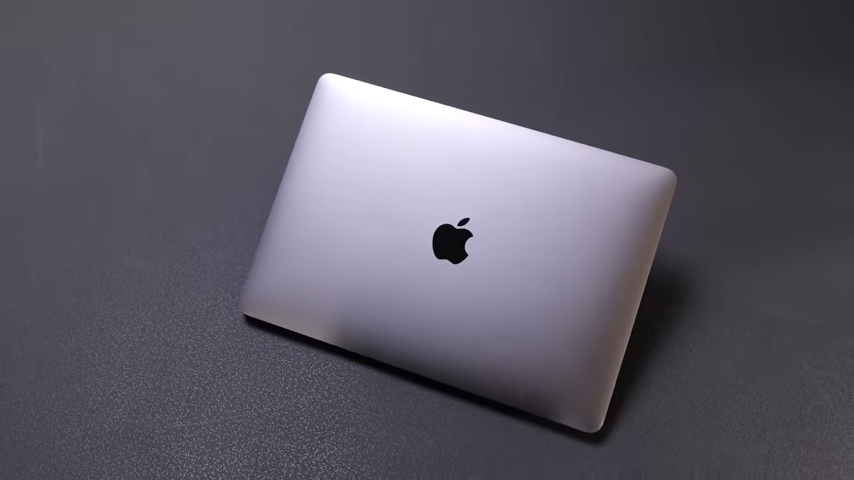
The MacBook Air M1 offers a premium aluminum body and a Retina display with excellent sRGB coverage and high brightness. For a photographer or social media manager, the difference in color vibrancy is night and day. Furthermore, the design is “timeless.” A 2021 MacBook looks almost identical to much newer models, ensuring it doesn’t look outdated in a professional setting.
The Ecosystem Advantage
Perhaps the strongest argument for the MacBook M1 in 2026 is the Apple ecosystem. For users who already own an iPhone or an iPad, the integration features like AirDrop, Universal Control, and Handoff provide a productivity boost that Windows cannot easily replicate.
Furthermore, despite its age, the M1 chip is still supported by Apple Intelligence features. While it might struggle with heavy local AI tasks like Stable Diffusion due to its 8GB RAM, it still allows users to participate in the modern AI-driven software landscape that defines 2026.
Battery Life: The Undefeated Champion
The biggest win for the MacBook remains its efficiency. Even a used unit with some battery degradation can easily last 14 to 16 hours on a single charge. Most budget Windows laptops in this price bracket struggle to cross the 6 or 7-hour mark. For students or digital nomads who work from cafes, this “all-day battery” is a convenience that is hard to rival.
Final Verdict: Who Should Buy It?
Is the MacBook Air M1 worth Rp5.5 million in 2026? The answer depends entirely on your workflow:
The Student/Light Creator: If you need a reliable, portable machine for typing, browsing, and light video editing, and you prioritize battery life and screen quality, the M1 is a fantastic choice.
The “Pro” Multitasker: If your job involves massive Excel sheets and constant app-switching, you are better off finding a used Windows laptop with 16GB or 32GB of RAM.
The Gamer: Avoid it. The storage is too small, and the macOS gaming library remains limited for this specific hardware.
In conclusion, the MacBook Air M1 is no longer the powerhouse it once was, but it remains a specialized tool. It offers the best screen, best battery, and best build quality in its price range. As long as you are willing to manage your storage and RAM usage, it remains a surprisingly viable entry point into the premium computing world of 2026.
About The Author